Snapchat Solar System Planets: What They Really Mean
I remember the exact moment I got obsessed with this. I was sitting in a coffee shop, half-listening to my friend rant about her ex, when she suddenly gasped and shoved her phone in my face. “I’m his Neptune,” she said, like someone had just told her she’d been demoted at work. I had no idea what she was talking about. Twenty minutes and three lattes later, I understood: she was talking about Snapchat Solar System Planets, and apparently, being someone’s Neptune is basically a digital red flag.
That conversation sent me down a rabbit hole, and honestly, I haven’t looked back. I’ve spent way too many hours testing this feature, checking my own planets, and watching friends spiral over their rankings. So let me walk you through exactly how the Solar System Snapchat Planets feature works, what each planet means, and why it’s become such a big deal among Snapchat+ users.
Thomas’s Experience with Snapchat Solar System Planets
Okay, real talk. When I first turned on the Friend Solar System inside my Snapchat+ settings, I expected… not much. Maybe a cute little animation. What I got instead was a genuinely addictive ranking system that made me question my own friendships for a solid week.
Here’s what happened: I checked my best friend’s profile (someone I’ve known since college) and tapped his Best Friends badge. I was Mercury. Felt good. Then I checked a coworker I talk to almost daily on Snapchat, and I was… Saturn. Sixth place. Honestly, that stung a little more than I expected, and I found myself wondering if I’d been slacking on the streaks or just not snapping enough during the workday.
The part that actually surprised me was how quickly things shifted. I made a conscious effort to snap that coworker more over the next couple of weeks, and sure enough, I moved up to Jupiter. That told me something important: this isn’t some static badge Snapchat slaps on your profile once. It’s live, it’s tracking your behavior, and it genuinely responds to how much effort you’re putting into a friendship. Kind of wild when you think about it that way, honestly a little more emotionally loaded than I expected from an app feature.
What Are Snapchat Solar System Planets, Exactly?
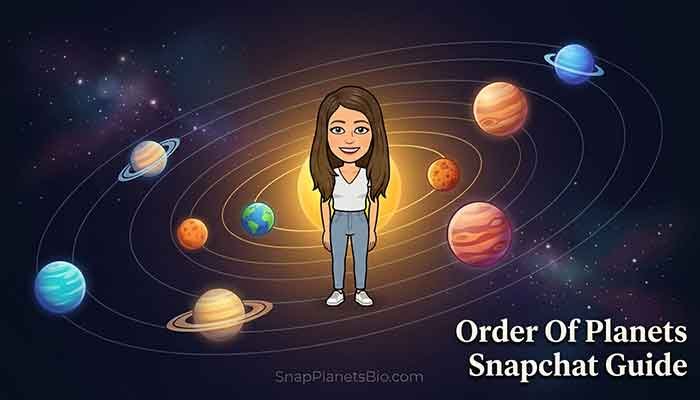
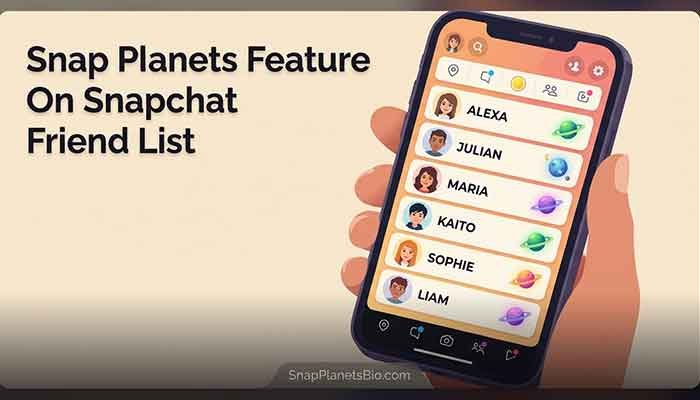
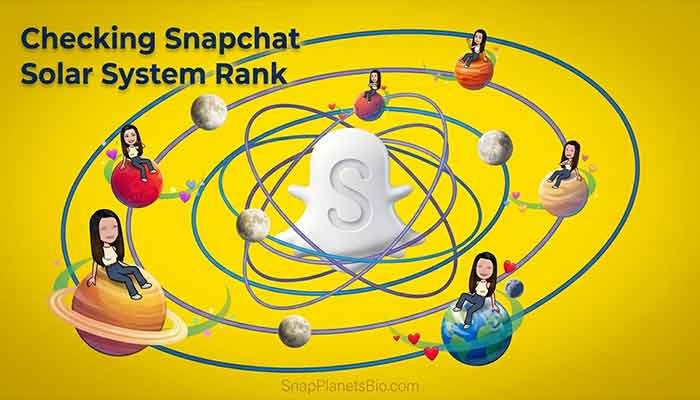
The Snap Planet System is part of Snapchat+, the paid subscription tier. It’s officially called the Friend Solar System, and it’s basically a visual, planet-based version of your Snapchat best friends list.
Here’s the concept in plain English:
- You’re the Sun.
- Your top eight most-interacted-with friends orbit you as planets.
- The closer the planet, the closer (digitally speaking) that friendship is.
It’s a clever way to gamify something Snapchat already tracked quietly in the background: who you snap, chat, and reply to the most.
Do You Need Snapchat+ to See Planets?
Yes. This one trips people up constantly. The Solar System Planets Snapchat feature is locked behind a Snapchat+ subscription. Free users don’t get access to it at all, and honestly, that’s one of the bigger perks Snapchat uses to push people toward the paid tier.
Even after subscribing, it’s not automatically switched on. You have to go into your profile, tap Snapchat+, and manually flip the Solar System toggle. I missed this the first time and spent ten minutes confused about why nothing was showing up.
Snapchat Planets Order: Full Breakdown
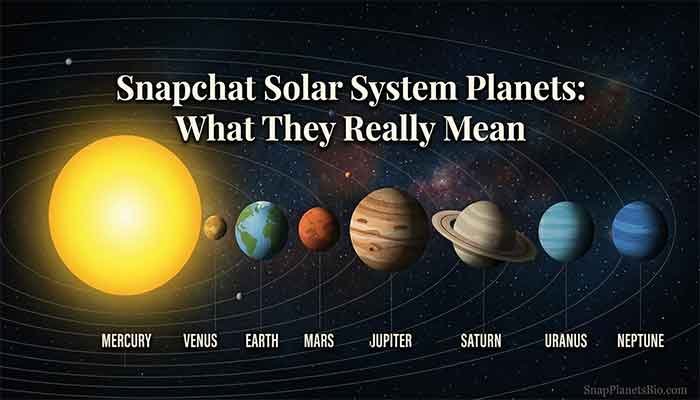
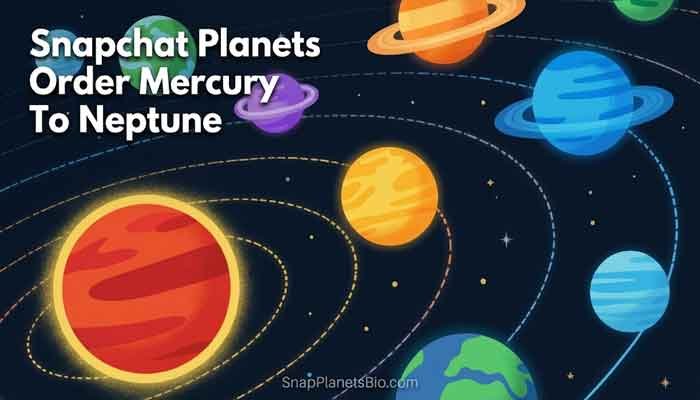
This is the part everyone actually cares about. Here’s the Snapchat Planets Order from closest to farthest, and what each one signals.
| Planet | Rank | What It Represents |
|---|---|---|
| Mercury | #1 Best Friend | Your most interacted-with friend; daily snaps and chats |
| Venus | #2 Best Friend | Frequent, consistent interaction, just below Mercury |
| Earth | #3 Best Friend | Strong, steady friendship with regular chats |
| Mars | #4 Best Friend | Solid connection, slightly less frequent contact |
| Jupiter | #5 Best Friend | Still active and meaningful, but a step down |
| Saturn | #6 Best Friend | Occasional but recognized interaction |
| Uranus | #7 Best Friend | Casual or inconsistent communication |
| Neptune | #8 Best Friend | Your least active connection in the top 8 |
How Snapchat Decides Your Planets Order
I get asked this constantly, so let me be straightforward about it: Snapchat doesn’t publish its exact algorithm, and I’m not going to pretend I have some insider secret. From what I’ve observed and what’s consistently reported, the ranking leans on things like:
- How often you send snaps back and forth
- Chat frequency and reply speed
- Streak activity
- Story replies and reactions
If you go quiet on someone, they drift outward. Snap them more, they move closer to your Sun. It updates in the background, so you don’t need to refresh anything manually.
Checking Your Rank in Someone Else’s Solar System
This is honestly the most fun (and sometimes anxiety-inducing) part of the whole feature. Here’s how to actually check where you land:
- Open your friend’s profile.
- Look for the badge next to their name — gold-ringed “Best Friends” or plain “Friends.”
- Tap that badge.
- Your planet reveals itself.
A quick but important distinction: the Best Friends badge means the connection is mutual, you’re both in each other’s top eight. The Friends badge means it’s one-sided. You show up in their orbit, but they don’t show up in yours. Does that sound familiar to anyone who’s ever felt like they text more than they get texted back? Yeah, this feature basically quantifies that feeling.
One thing worth noting: your own Solar System is private. Nobody, not even your Mercury, can see your full ranking list. You can only ever check your own position inside someone else’s system, one friend at a time.
Common Frustrations With Planets Snapchat Order
I’ll be honest, this feature isn’t perfect, and I’ve hit a few annoying snags myself.
It Was Anxiety-Inducing at First
When the Friend Solar System first rolled out, it was active by default for subscribers. A lot of teens reported it added real stress to their friendships, watching rankings shift felt like a popularity contest. Snapchat responded by making it opt-in instead of automatic, which I think was the right call.
Read More: Snapchat Planet Meaning: What Those Little Planets Are Really Telling You
You Can’t See It on Desktop
If you’re a desktop Snapchat user, you’re out of luck here. The Solar System Planets Snapchat feature only works on mobile, Android and iOS. I tried finding it on the web version and came up completely empty.
Rankings Can Feel Confusing
Honestly, this part confused me at first too. My ranking with one friend jumped around a lot in a single week even though I felt like our interaction was pretty consistent. My best guess is that the algorithm weighs recent activity pretty heavily, but again, that’s my observation, not a confirmed Snapchat statement.
Snapchat Planets vs. Traditional Best Friends List: A Quick Comparison
| Feature | Old Best Friends List | Solar System Planets |
|---|---|---|
| Visibility | Emoji-based, visible to some extent | Fully private, planet visuals |
| Subscription needed | No | Yes, Snapchat+ required |
| Number of ranked friends | Varies | Fixed top 8 |
| Visual representation | Emojis | Planets with Bitmoji and animations |
| Update frequency | Periodic | Near real-time based on activity |
FAQ: Snapchat Solar System Planets
Wrapping It Up
The Snapchat Solar System Planets feature is one of those additions that seems small on the surface but ends up saying a lot about how we actually communicate with people. It’s playful, it’s a little addictive, and yeah, it can occasionally sting your ego if you land somewhere near Neptune with someone you care about.
Thomas’s Final Tip: Don’t take your planet position too seriously, it’s a reflection of recent activity, not the actual depth of a friendship. If someone matters to you, snap them more often than the app expects you to. The ranking will follow.
Got a Snapchat+ feature you want me to test next? Drop it in the comments, I’m always down to dig into the next update before everyone else figures it out.