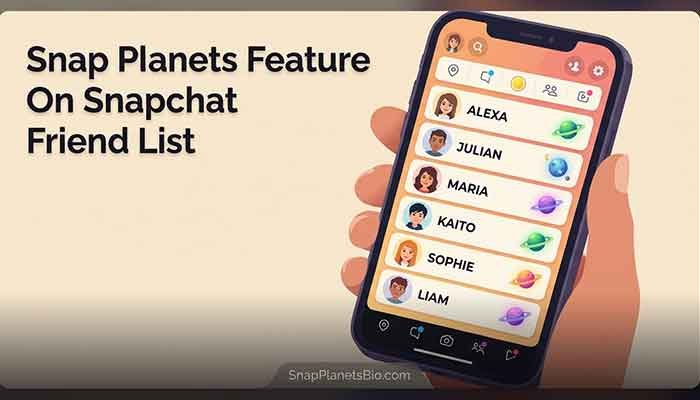
Best Friend List Planets Snapchat: What I Learned After Actually Using It
So picture this — I’m sitting at my usual coffee spot, scrolling through Snapchat, and I open my best friend’s profile out of pure boredom. I see this little badge I’d never noticed before. I tap it, and suddenly there’s this tiny animated planet spinning at me. My first thought was honestly, “wait, am I a planet now?”
That’s how I stumbled into the Best Friend List Planets Snapchat feature, officially called the Friend Solar System. I’m Thomas, and I’ve been glued to Snapchat since it was basically just disappearing selfies. I test every weird little feature Snapchat rolls out because, honestly, that’s my idea of a fun Tuesday night. So when I saw this planet thing, I had to figure out exactly how it worked, why it existed, and whether it actually meant anything about my friendships.
Here’s everything I found out, told the way I’d explain it to you over coffee — not like some robotic help article.
What Exactly Are Snapchat Planets?
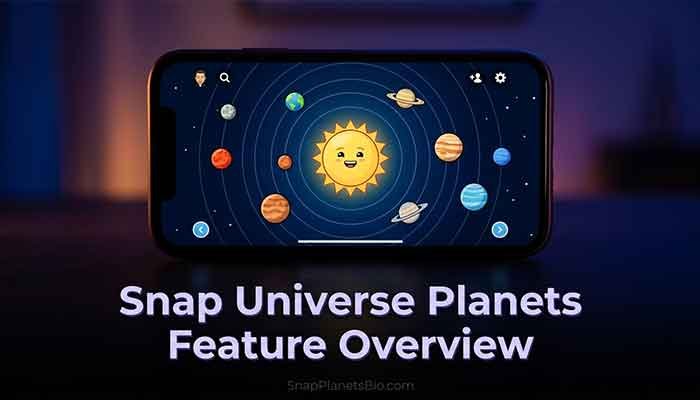
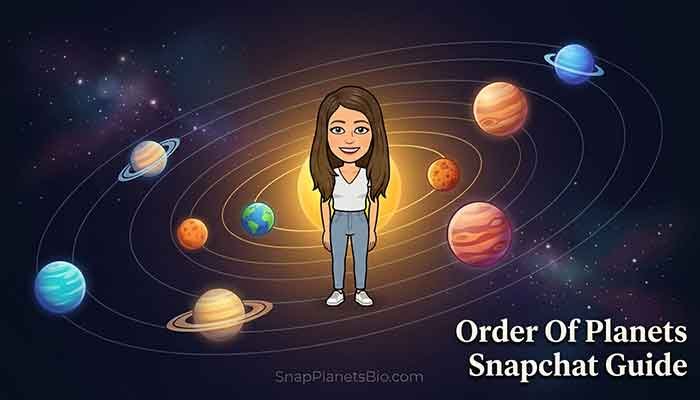
The Friend Solar System is a Snapchat+ feature that turns your top 8 friends into planets orbiting around you. Instead of Snapchat showing you a boring numbered list of your closest friends, it dresses the whole thing up as a mini solar system, with you as the sun in the middle.
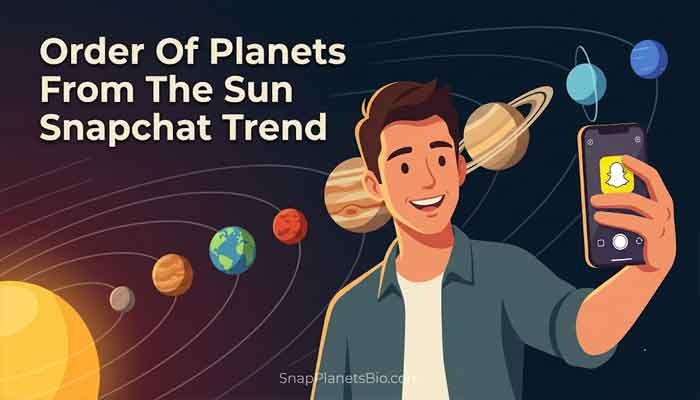
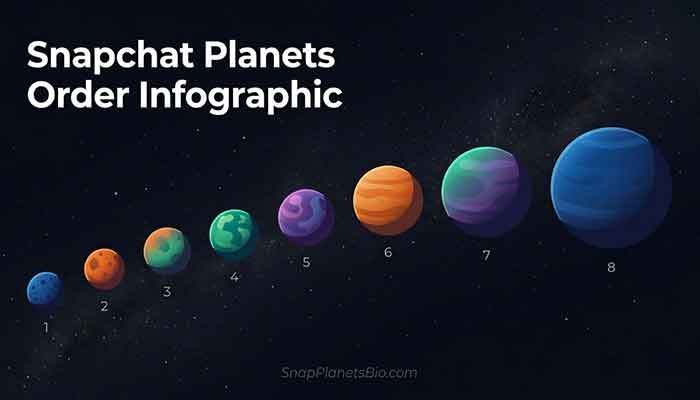
The Snapchat Planets Order goes exactly like the real solar system:
- Mercury
- Venus
- Earth
- Mars
- Jupiter
- Saturn
- Uranus
- Neptune
Mercury sits closest to you, which means that’s the friend you interact with the most. Neptune is way out on the edge, meaning they’re still in your top 8, but barely holding on compared to the others.
Thomas’s Experience with Best Friend List Planets Snapchat
Okay, real talk. The first time I actually turned this on, I expected nothing to change. I’ve seen a hundred Snapchat features come and go, and most of them are just cosmetic fluff. This one surprised me a little.
I toggled on the Friend Solar System from my Snapchat+ settings (it’s off by default, which honestly confused me at first — I kept checking my friend’s profile wondering why nothing showed up). Once I flipped it on, I waited a day, then checked a close friend’s profile. There it was: a little gold-ringed badge that said “Best Friends.” I tapped it, and I got assigned Venus.
Venus. Not Mercury. I’ll admit, my ego took a small hit.
So I did what any slightly competitive tech nerd would do — I started snapping this friend more for about a week. Streaks, replies, the whole deal. Sure enough, by the following week I’d moved up to Mercury. That told me something important: this isn’t a static “best friend forever” badge. It’s a rolling reflection of your recent activity, not your whole friendship history. Honestly, that part low-key stressed me out a little, because it means slacking off on chatting for a week or two can knock you down the list even with people you’ve known for years.
My honest takeaway? It’s a fun little gamified nudge to actually talk to people more, but I wouldn’t read too deep into where you land. If you’re Neptune with someone you care about, that doesn’t mean the friendship is dying — it might just mean you two haven’t been snapping much lately.
Read More: Snapchat Planet Order Explained: Mercury to Neptune (2026)
Solar System Planets Snapchat: Full Order and Meaning
Let me break down what each planet actually represents in your Solar System Snapchat Planets ranking. This is based on my own testing plus what I’ve cross-checked across the app itself.
Mercury — Your #1 Best Friend
This is your top spot. The person you snap, chat, and streak with more than anyone else.
Venus — Your #2 Best Friend
Still incredibly close, just slightly less daily contact than Mercury.
Earth — Your #3 Best Friend
A steady, frequent friend. Not your top dog, but definitely in heavy rotation.
Mars — Your #4 Best Friend
Consistent contact, just a notch below your top three.
Jupiter — Your #5 Best Friend
Interesting one — Jupiter’s the biggest planet, and I like to think of this as a friend where the connection feels big even if the daily snap count isn’t as high.
Saturn — Your #6 Best Friend
Moderate interaction. You’re talking, just not every single day.
Uranus — Your #7 Best Friend
Occasional contact. This is the one people online often call “the green planet,” and yeah, it does show up as a green globe in the app.
Neptune — Your #8 Best Friend
The outermost, least-frequent friend in your top 8. Still there, just barely.
Solar System Planets In Order Snapchat: Quick Reference Table
I made this table for anyone who just wants the cheat sheet without reading the whole breakdown.
| Rank | Planet | Meaning | Distance from “Sun” (You) |
|---|---|---|---|
| 1 | Mercury | Your top best friend | Closest |
| 2 | Venus | Very frequent contact | Very close |
| 3 | Earth | Frequent, steady friend | Close |
| 4 | Mars | Consistent but slightly less frequent | Moderate |
| 5 | Jupiter | Strong connection | Mid-range |
| 6 | Saturn | Moderate interaction | Mid-outer |
| 7 | Uranus | Occasional contact | Far |
| 8 | Neptune | Least frequent of your top 8 | Farthest |
How to See Your Own Planet on a Friend’s Profile
If you want to check where you rank in someone else’s Friend Solar System, here’s what I do every time:
- Open the friend’s profile.
- Look for the badge near their name — a gold ring usually means “Best Friends,” while a plain badge just means “Friends.”
- Tap the badge.
- Watch the short animation reveal which planet you’ve been assigned.
One catch that tripped me up: you need your own active Snapchat+ subscription to even see this. If you’re on the free version, that badge either won’t show the planet detail or won’t appear the same way at all.
Why I Think This Feature Actually Works (Mostly)
I’ll be honest, I’m generally skeptical of paid app gimmicks. But this one has a bit of psychology behind it that I respect. Turning a boring “best friends” list into a visual thing you actually want to check taps into that little dopamine hit we all get from rankings and games. It nudges you to reply faster, keep streaks alive, and actually engage instead of just lurking on stories.
That said, I do think people can take it a little too seriously. I’ve seen posts online of people genuinely upset about being “demoted” to Uranus. Does this sound familiar to you? If it does, my honest advice is to treat it like a fun mirror of your recent activity, not a verdict on the friendship itself.
A Quick Note on Snapchat Download for Samsung
Since I get asked this constantly by friends switching phones — if you’re setting this up fresh, grabbing the Snapchat download for Samsung devices works the same as any Android install: through the Google Play Store, then updating to the latest version so you actually get access to newer features like the Friend Solar System once you subscribe to Snapchat+. Older, outdated app versions sometimes just don’t show the badge at all, which had me confused for a solid ten minutes the first time I tested this on a friend’s older Samsung phone.
FAQ: Snapchat Best Friend List Planets
Thomas’s Final Tip
Here’s my honest closing thought: the Best Friend List Planets Snapchat feature is a fun, low-stakes way to visualize who you’re actually talking to the most — not a scoreboard for your real friendships. Use it as a nudge to reach out to people, not as something to stress over.
If you’ve tried it, I’d genuinely love to know — which planet did you land on with your closest friend, and did it surprise you like it surprised me? Drop it in your head right now and go check your own Friend Solar System today.